
If you have spent any time shopping for newborn essentials, you have probably seen the word muslin on everything from swaddles to blankets to baby clothes. It has quietly become the fabric of choice for parents who care about comfort, safety, and breathability. But what actually makes muslin so special — and why does it matter even more for babies growing up in India's warm, humid climate?
This guide breaks down what muslin is, why it suits newborn skin so well, and how to use it through your baby's first year.
What Is Muslin Fabric?
Muslin is a lightweight, loosely woven cotton fabric. The open weave is the secret to everything parents love about it: air moves through the cloth easily, which keeps a baby from overheating, while the soft cotton fibres stay gentle against delicate skin.
Many premium baby brands, including Lil Mulberry, use a double gauze muslin — two fine layers woven together. This gives the fabric a little more substance and a beautiful crinkled texture, without sacrificing breathability. The result is a cloth that feels airy and substantial at the same time.
One of muslin's most charming qualities is that it gets softer with every wash. Unlike synthetic fabrics that pill or stiffen over time, a good organic muslin blanket becomes more luxurious the longer you use it — which is exactly why so many become treasured keepsakes.
Why Muslin Is Ideal for Babies in India
Most baby-care advice you will find online is written for cooler, Western climates. India is a different story, and muslin is genuinely well-suited to it.
It keeps babies cool. Newborns cannot regulate their body temperature the way adults can, and overheating is a real concern in Indian summers. Muslin's breathable weave lets heat escape, helping your baby stay comfortable through hot afternoons and humid nights.
It works across seasons. A single muslin layer is perfect for summer, while layering two or three provides gentle warmth in winter or in air-conditioned rooms — without the bulk of heavy blankets.
It is gentle on sensitive skin. Indian weather can be tough on a baby's skin, with heat rashes and prickly heat being common worries. A soft, natural fibre that lets the skin breathe is far kinder than tightly woven or synthetic alternatives.
The Organic Difference: Why Fabric Quality Matters
Not all muslin is created equal. For something that will be wrapped around your newborn for hours every day, what the fabric is made of — and how it is finished — matters a great deal.
At Lil Mulberry, the muslin is GOTS-certified organic cotton, woven from fabric made exclusively for the brand. Just as importantly, the prints use AZO-free, non-toxic dyes, so there are no harsh chemicals sitting against your baby's skin. Every piece is handmade in a home studio in Bangalore, with prints drawn in-house — a level of care that mass-produced baby textiles simply do not offer.
For parents of babies with eczema or especially sensitive skin, organic, chemical-free fabric is not a luxury — it is peace of mind.
How to Use Muslin Through Your Baby's First Year
The beauty of muslin is its versatility. A few pieces can carry you through an enormous range of daily needs.
Swaddling and wrapping. A muslin swaddle or mini swaddle square is breathable enough to wrap a newborn snugly without overheating — helping calm the startle reflex that wakes babies in the early weeks.
Everyday cover and play. A muslin blanket doubles as a light cover, a clean surface to lay the baby on, a nursing cover, or a pram shade. It is the single most-reached-for item in most parents' bags.
Sleep and naps. A lightweight muslin quilt offers just enough warmth for naps, while a soft muslin fitted cot sheet keeps the sleeping surface gentle and breathable.
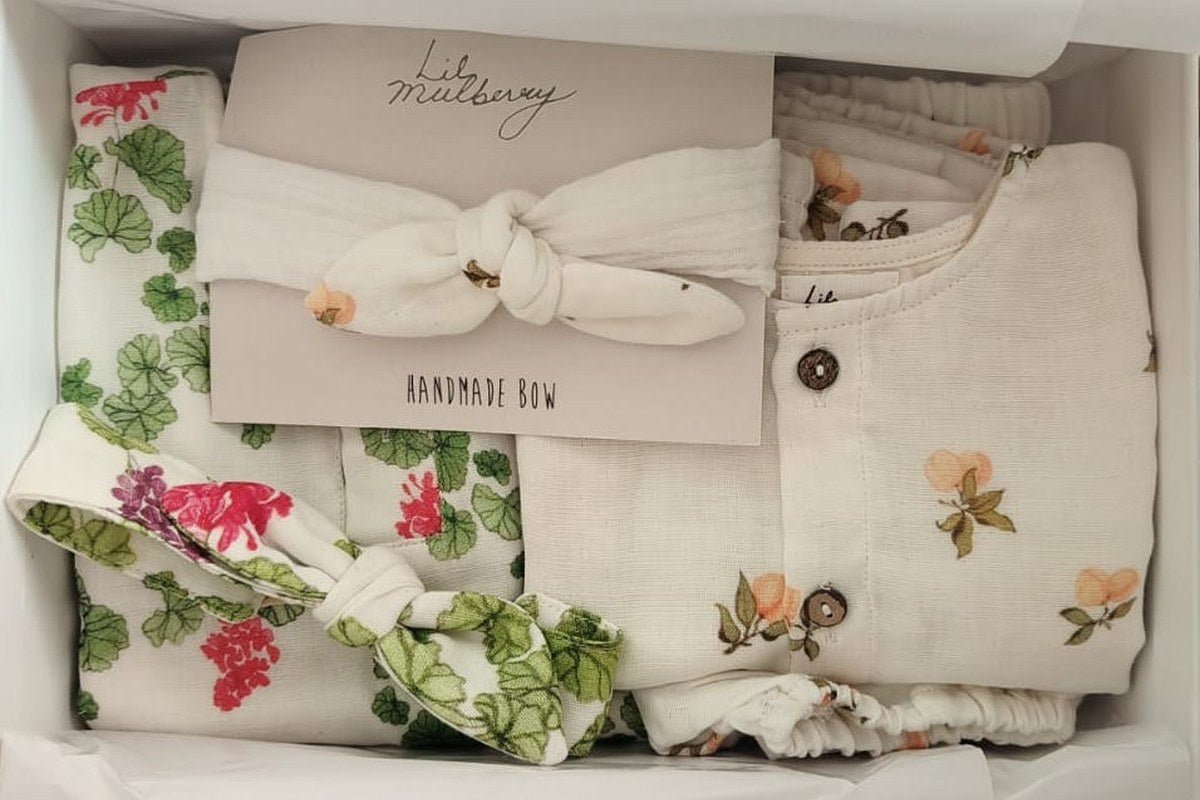
Dressing your baby. Muslin clothing — from a simple muslin bodysuit to a complete newborn clothing set — keeps little ones cool and comfortable, especially in summer.
Mealtime and clean-ups. Muslin bibs, burp cloths, and washcloths are absorbent, quick-drying, and soft enough for a newborn's face.
How to Care for Muslin So It Lasts
Caring for muslin is easy, and doing it right is what unlocks that signature softness:
- Wash before first use to soften the fibres and remove any residue.
- Use a mild, baby-safe detergent and wash in cool or lukewarm water.
- Skip fabric softeners — muslin softens naturally, and softeners can coat the fibres and reduce absorbency.
- Air-dry where possible, or tumble dry on low. A little crinkle is part of muslin's charm.
With each wash, you will notice the fabric getting softer — a small reminder of why it is worth choosing quality from the start.
Frequently Asked Questions
Is muslin good for newborns in summer?
Yes. Muslin's open weave is highly breathable, making it one of the best fabrics for keeping newborns cool and comfortable in hot, humid weather.
Does muslin keep babies warm enough in winter?
A single layer is light, but muslin layers beautifully. Two or three layers, or a filled muslin quilt, provide gentle warmth without overheating.
What does GOTS-certified organic muslin mean?
GOTS (Global Organic Textile Standard) certification means the cotton is grown and processed to strict organic and environmental standards, with no harmful chemicals — important for fabric that touches your baby's skin all day.
Why does muslin feel a little rough when new?
The fibres soften with washing. After the first wash or two, muslin becomes noticeably softer, and it keeps improving over time.
A Softer Start for Your Baby
Muslin earns its place in the nursery for good reason: it is breathable, gentle, endlessly versatile, and perfectly suited to Indian weather. Choosing organic, handmade muslin means giving your baby the softest, safest start — and getting pieces beautiful enough to keep long after they have been outgrown.