
Somewhere around the third trimester, the hospital bag starts looming large. Pack too little and you are sending your partner home for forgotten chargers; pack too much and you are hauling a suitcase you never open. This checklist keeps it simple and realistic — what genuinely helps in an Indian hospital or birthing centre, what you can skip, and a few things first-time parents almost always forget.
When Should You Pack Your Hospital Bag?
Aim to have it ready by 36 weeks. Babies keep their own schedules, and you do not want to be packing during early labour. A good approach is to keep the bag by the door, fully packed, with a short “grab at the last minute” list taped to it for things still in daily use — your phone charger, glasses, and any medicines.
If you can, pack three smaller sections rather than one giant bag: one for labour and your hospital stay, one for the baby, and one for going home. It makes things far easier to find when you are tired and one-handed.
For the Mother: Labour and Recovery
Hospitals provide the basics, but the right personal items make a real difference to comfort:
- Important documents — ID, hospital registration papers, insurance/TPA card, doctor's notes, and your maternity file with scan reports.
- Loose, comfortable clothing — two or three front-open nighties or kurtas (front-open matters for feeding), a dressing gown, and a shawl, as wards are often heavily air-conditioned.
- High-waisted cotton underwear and a few maternity/nursing bras.
- Maternity pads — heavier flow than usual is normal; bring more than you think.
- Toiletries — toothbrush, your own soap, moisturiser, lip balm (hospital AC is drying), hair ties, and a comb.
- Slippers and warm socks — floors are cold and you will be walking the corridors.
- Snacks and a water bottle — labour is long, and hospital canteens keep their own hours.
- Phone charger with a long cable — sockets are never where you need them.
- A going-home outfit for you — loose and comfortable; you will still be wearing maternity sizing.
For the Baby
This is the part most parents fuss over, and the truth is newborns need very little. Hospitals usually supply nappies and a blanket for the stay, but a few of your own things help:
- 2–3 swaddles or muslin wraps. A soft muslin swaddle is the single most useful baby item to pack — it wraps a newborn, drapes over you as a nursing or pram cover, and shades a sleeping baby from harsh ward lighting. Muslin's breathability matters in Indian heat, where heavier blankets can quickly overheat a newborn.
- A few bodysuits or sleepsuits in newborn size. Pack one size up too — birth weights vary.
- A going-home outfit. Many parents like to mark the moment with something special; a soft muslin outfit keeps baby comfortable for the journey without overheating.
- 2–3 burp cloths or muslin washcloths. Burp cloths are endlessly useful for spit-ups, mopping, and as a clean surface in a pinch.
- A cap and socks/mittens — useful specifically for cold, air-conditioned wards, less so otherwise.
- Nappies and cotton wool/wipes, even if the hospital provides some.
A quick note on fabric: anything going against newborn skin in the first days is worth choosing carefully. Organic, breathable cotton is gentler on delicate skin and a safer bet in humid weather — which is why muslin is a hospital-bag favourite.
Documents and Practical Bits (Don't Forget These)
These are the items families most often scramble for:
- A folder of medical documents kept together, not loose.
- Cash and cards — for pharmacy runs, parking, and small purchases.
- A power bank — invaluable during long stays or a power cut.
- A small bag for dirty laundry.
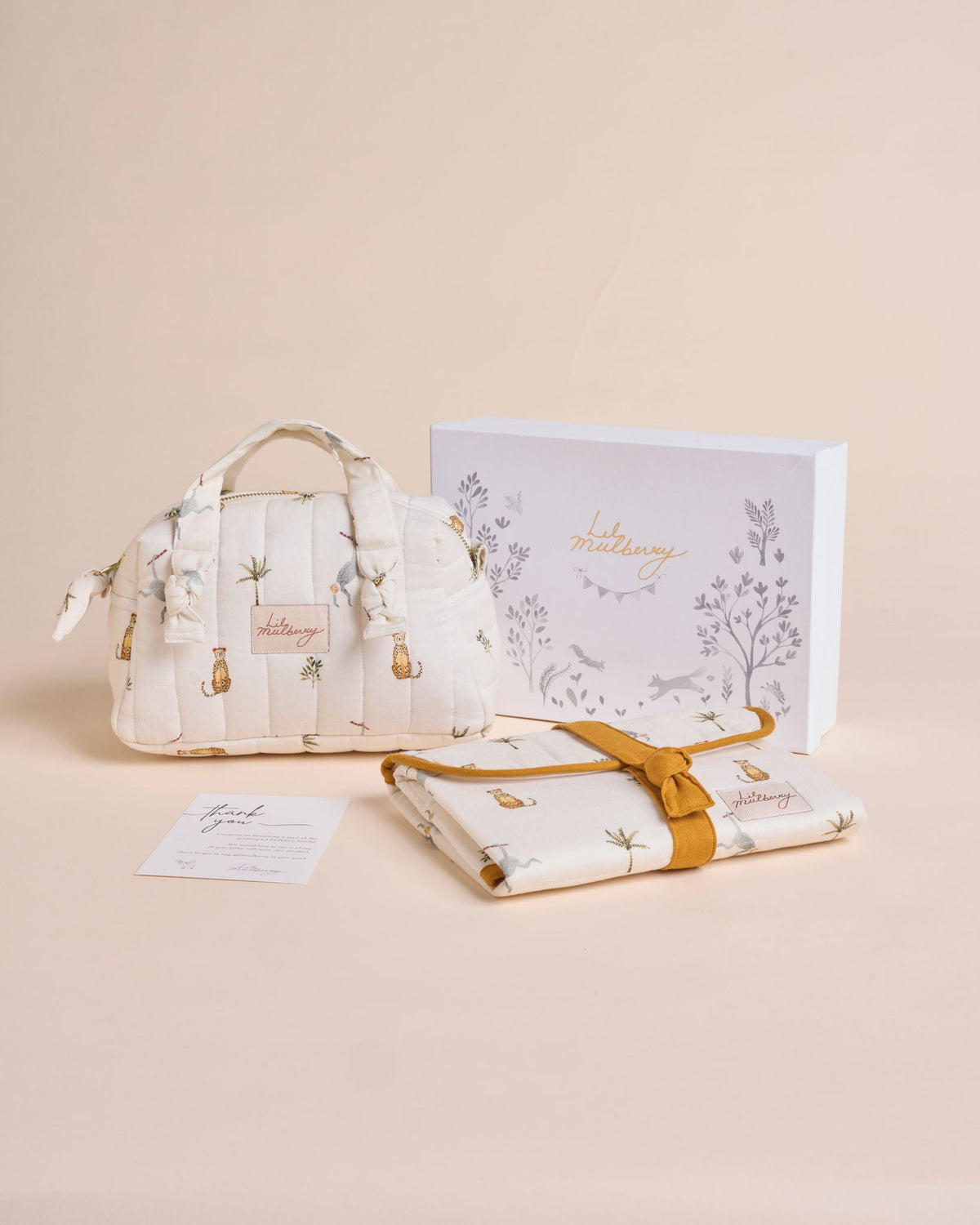
- A changing bag to organise baby essentials — you will use it long after the hospital, so it is worth having one ready. A roomy organic cotton changing bag keeps nappies, wipes, and a spare outfit sorted and easy to reach.
For Your Partner or Birth Companion
Whoever is with you will be there for the long haul:
- A change of clothes and basic toiletries.
- Snacks, water, and entertainment — a charged phone or a book for the waiting hours.
- A list of people to call and your hospital's contact details.
- Patience and a sense of humour.
India-Specific Tips Worth Knowing
Most checklists online are written for Western hospitals. A few things are different here:
- Wards run cold. Air-conditioning is often strong, so pack warmer layers for both you and the baby than the outside weather suggests.
- Plan for power cuts. A power bank and a small torch (or phone torch) are genuinely useful.
- Joint families and visitors. If lots of relatives will visit, a light dupatta or nursing cover helps you feed comfortably, and keeping the baby's swaddles handy makes passing the baby around easier.
- Check what your hospital provides. Some give a full kit; others almost nothing. A quick phone call before you pack saves you carrying duplicates.
Frequently Asked Questions
When should I have my hospital bag ready?
By around 36 weeks. Keep it packed and by the door, with a short list of last-minute items you are still using daily.
What should I pack for the baby in my hospital bag?
A few muslin swaddles, two or three bodysuits, burp cloths, a going-home outfit, and a cap and socks for cold AC wards. Hospitals usually provide nappies and a blanket, but bring some of your own too.
Do I need to pack newborn clothes if the hospital provides them?
It is worth bringing a couple of your own bodysuits and a going-home outfit. Many parents prefer soft, breathable cotton or muslin against their newborn's skin, and you will want a special outfit for the trip home.
How many swaddles should I pack?
Two or three is plenty for a typical stay. They are the most versatile item you will bring — useful for wrapping, nursing cover, and shade — so they rarely go unused.
What do first-time parents most often forget?
A long phone charger, a power bank, snacks and water, lip balm and moisturiser for dry AC air, and warm socks. The baby items are usually well covered; it is the parents' own comfort that gets overlooked.
A Calmer Start
A well-packed hospital bag is really about one thing: removing small stresses so you can focus on meeting your baby. Keep it simple, pack for comfort and the cold AC, and choose soft, breathable basics for those first precious days.